
- 52'
- Author : Morgane Courgeon
- 23-03-2026
- Master : 3703
-
Share!
THE DRAC DAM: A DEADLY TRAP | La Ligne bleue | France 3
It happened thirty years ago — and yet the tragedy remains etched in our memories.
On December 4, 1995, a class of 22 seven-year-old pupils went on a school trip to observe beavers in the bed of the Drac River, about twenty minutes from Grenoble.
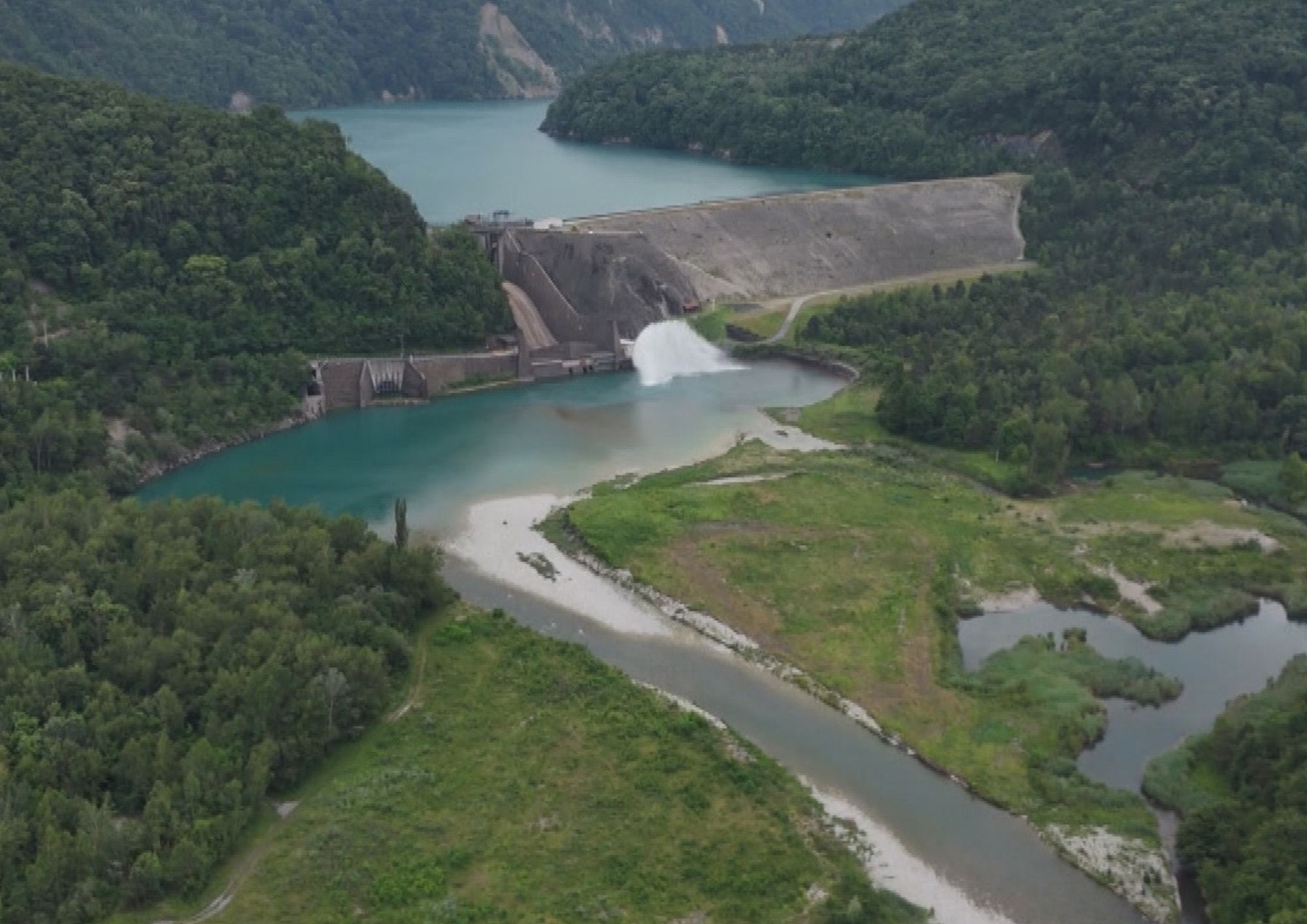
The site lay four kilometers downstream from an EDF dam, which that day carried out a major water release.
Six children and their chaperone were swept away and killed in the accident.
After the shock came the questions: who was to blame? Who failed in their duty?
The institutions involved pointed fingers at one another: the Ministry of Education, the local education authority, EDF management, and the city of Grenoble.
How could what was described as a “routine” outing turn into a tragedy?
Did the nationwide strikes against the Juppé reform plan — widely followed within EDF — have an impact on the dam release?
The investigation revealed failures at every level.
As one lawyer for the victims’ families put it: “This tragedy would never have happened if just one of the people involved had done their job properly.”
Through the testimonies of survivors Nicolas and Olivier, of Vjekoslav Pilinger, father of Theiva, who died in the accident, as well as lawyers, rescuers and experts — and with the help of archive footage — this documentary retraces the events, the investigation and the trials, while also exploring the debate raised by the case on the notion of responsibility.
Five years after the accident, a new law came into force: the Fauchon Law, redefining criminal liability in cases of unintentional offenses.
The Drac case was one of the first to be retried under this new framework, often summed up by the phrase: “responsible, but not guilty.”
The Drac tragedy did not come without consequences.
Since then, supervision of school trips has been strengthened, as has safety around hydroelectric dams.